
How Jakarta and Singapore Are Redefining Resilience Amid a Climate Crisis
- account_circle Pramono Pido
- calendar_month Senin, 30 Mar 2026
- visibility 89
- print Cetak

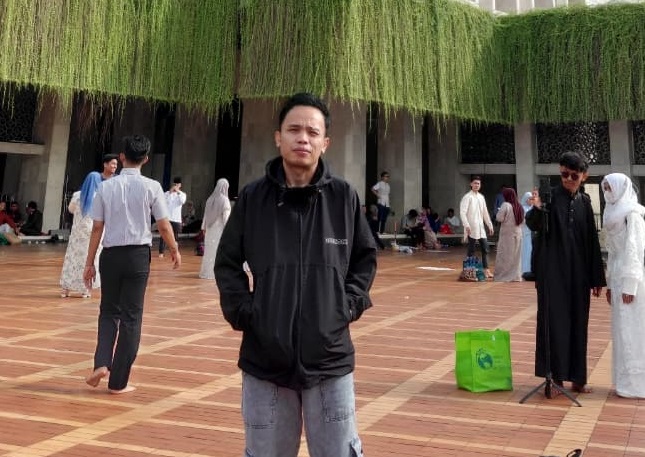
Foto Pramono Pido, penulis.
info Atur ukuran teks artikel ini untuk mendapatkan pengalaman membaca terbaik.
Jakarta and Singapore exemplify urban centers at the forefront of climate change adaptation. Rising sea levels, increased rainfall, and rapid urbanization are reshaping urban operations across Southeast Asia. In response, governments are advancing the concept of the “smart city,” emphasizing data-driven governance, predictive systems, and digital infrastructure to enhance urban safety and resilience.
Despite technological advancements, the experiences of Jakarta and Singapore demonstrate that technology alone is insufficient to address all urban challenges. In Jakarta, excessive groundwater extraction, reaching up to 28 centimeters annually in certain areas, is a primary driver of coastal land subsidence and associated risks. To mitigate flood hazards, authorities have implemented infrastructure projects including seawalls, drainage enhancements, and river normalization. Furthermore, early warning systems have strengthened emergency responses, illustrating the role of scientific research in shaping effective urban policy.
Conversely, Singapore presents a distinct approach. The Smart Nation initiative has established comprehensive sensor networks and centralized data systems to monitor variables ranging from traffic flow to water management. Urban planning in Singapore incorporates predictive analytics and long-term climate modeling. Relative to other cities in the region, Singapore demonstrates a high level of preparedness for environmental risks.
Nevertheless, technological sophistication introduces significant trade-offs. The extensive deployment of surveillance cameras and digital monitoring systems in Singapore has prompted debates regarding privacy and individual freedoms. Although these technologies enhance efficiency and public safety, they also increase governmental oversight of daily activities. This dynamic raises critical questions about the acceptable limits of surveillance in pursuit of resilience. Urban safety encompasses not only infrastructure but also the trust established between citizens and institutions.
- Penulis: Pramono Pido





















Saat ini belum ada komentar